
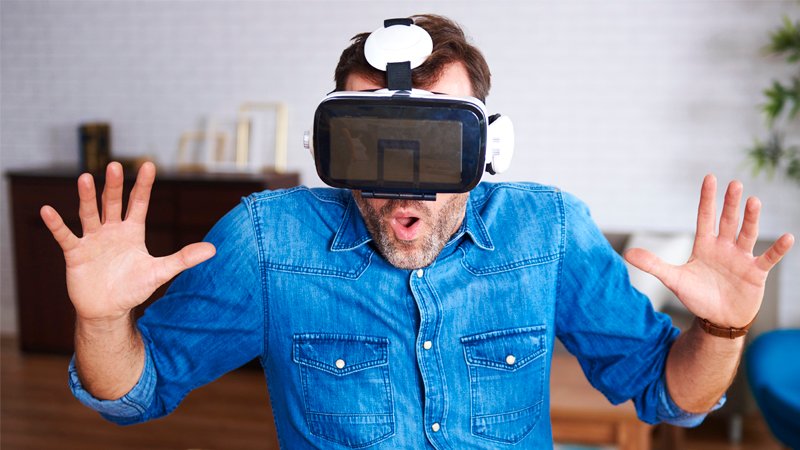





Fears are partially but deeply existential. They stem from a collection of predispositions and life experiences that quietly shape the way we view elements around us. New research suggests the existence of more specific and diversified fears that have emerged with time.
These fears that are classified through scientific study are called Phobias. Some of the most common phobias observed to affect close to 40% of the population are Acrophobia – the fear of heights, Aerophobia – the fear of flying, and Claustrophobia- the fear of small or closed spaces.
Phobias trigger the nervous system to an immediate fight-or-flight response. When the body is put through constant stress of dealing with fear inducing cues, helping it deal effectively with the specific phobia identified becomes crucial.
The field of psychology and research discovered Exposure therapy in the early 1900s, analysing its impact on reducing the effects of fears in daily life. With various experimental studies emerged Virtual Reality Exposure Therapy (VRET) that used a combination of early day research and modern day technology.
Exposure therapy in the real world seemed to be a harsh and almost impractical method of helping people face their fears. This led to a convenient, safe, and controlled method of treatment – the introduction of Virtual Reality.
Imagine you’re afraid of heights, and you stand at the highest storey of a skyscraper looking at the street below. As you inch to the edge of the building, you see multiple fast-moving specks – colourful vehicles and people. You notice your palms sweating and your heart racing. And just as you reach your foot ahead to step into nothingness, you take off your headset, and find yourself in the comfort of your therapist’s office. This is the power of virtual reality.
Virtual reality emerged as one of the most effective methods to facing fears and dealing with phobias in the modern age, as it prioritises safety and comfort of the individual, exercising control over the intensity of the stress variables. The fear-inducing environment is also easily modified based on your body’s reaction to the simulations, thus being entirely customisable.
The secret behind the popularity of VRET is that the brain is found to react to virtually real simulations the same way it would react to real-life situations. This advanced the use of tech by leaps as it has the ability to recreate a stressful environment in a safe and conditioned manner.
Phobias can be crippling, especially when it inhibits you from undertaking essential tasks – like addressing a public gathering, trying to find your way through a dark room, or coming face to face with a giant bug on your desk. Virtual reality produces a pathway for the brain to remain as composed as it can be when faced with a known or unknown fear. When the brain perceives a trigger, exposure therapy intervenes to help it experience and regulate the stimuli in the present without avoiding it.
With virtual reality having flexible applications in today’s living, fears that were once deemed irrational and phobias that seemed strange can be dealt with easily and effectively without a hazard present. It develops an understanding that fears are only what you make of them; And that when you turn the lights on, the pile of laundry on your chair is not an intruder watching you sleep. – editor@nrifocus.com
– Judith is a counselling psychologist, specialising in mindfulness therapy and researching the quirks of life.
Leave a Reply