





Loss enters like an uninvited guest. It can be unexpected, sometimes sudden, and even too much to bear. In our growing up years, society shaped the way we grieved; and it insisted on the cause of grief to be prominent and ‘acceptable’. The death of a loved one? Yes, grieve. Lost your job? Sure, there’s room to grieve. But when considering the subtle intricacies of daily life that cause a deep sense of distress, grief is called out as an excuse.
As we move through each stage of life, grief appears in subconscious forms that may be unrecognisable on the daily – the memory of a past significant relationship, the yoke of a traumatic boss at work, the pressure of having to meet expectations, and even a lost chance at a good life.
The intensity of the bond existing between an individual and their cause of grief will not always match societal standpoints; because something considered a ‘loss’ in the eyes of someone may be inconsequential to another. Society allows a bouquet of flowers, comforting comments, and an expression of sadness to the bereaved; while it is important to know that grieving doesn’t end there.
Psychologist Kenneth J Doka, in the 1980s, suggested that individuals experience grief that is not openly acknowledged, socially sanctioned, or publicly sustained. He named this ‘Disenfranchised Grief’. Society is highly prone to dismiss the effect of a loss on a person based on how they perceive it to be and not how it has affected the individual going through it.
The loss of a job may seem insignificant to someone who didn’t have to go through the pressure of catching a public transport on time, travelling long distances, and reaching work right before they’re marked ‘late’ for the day. “Every day was a struggle, but at least it brought food to the table” is how the grieved would choose to see it.
It isn’t necessary for grief to posit a reason; it can simply be the consequence of the removal of something or someone that created an impact, which may be difficult to replace or replicate in the future.
When loss or death of a person occurs through unnatural means such as by an accident or self harm, the grief that surrounds the situation is pushed into the dark. Society judges harshly by not enabling the bereaved to grieve in their own time, but actually forcing them to move on and making them feel like grieving may be a crime for such a situation as that. The unhidden truth is, it requires sensitivity and genuine care to enable people to open up about their ‘invisible’ loss.
Disenfranchised grief causes people to try their best to suppress the sadness and pain they experience. They put maximum effort to ensure that they seem to be transitioning normally, like it’s just another Tuesday in their lives.
Grief and loss can be properly processed only when both the body and mind are given time to heal, and the individual ensures that they are surrounded by supportive people who look out for their quality of life and wellbeing, and is unbothered by societal comments.
Any existing feelings of shame, guilt or sadness associated with a loss can be dealt with – one memory at a time and one positive experience at a time – until you can view the situation with grace and acceptance stemming from a healed heart.
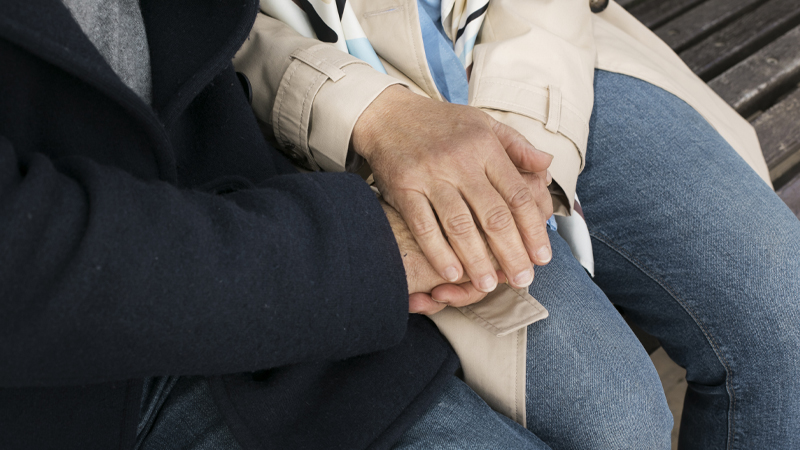
A minute gesture such as sitting in silence with a person enduring grief can help them find solace in their thoughts. Grief can feel like a deep, dark tunnel until a streak of light is found – a positive comment, a new memory, or just a person with a candle. – Image credit: Freepik – editor@nrifocus.com
– The writer is a counselling psychologist, specialising in mindfulness therapy and researching the quirks of life.
Leave a Reply