





Sonam Wangchuk’s protest has had a deep effect on Tarun Tahiliani-he believes fashion is caught in a bubble, we live with blinkers on, so many have stopped following the news or reading newspapers.
Is fashion just about tech billionaires’ wives in couture travelling to Paris to be seated next to Beyonce at fashion week, “frankly it’s revolting”. Like Daphne Guinness who married Greek shipping magnate Spyros Niarchos, only party hopped “looking good was her only profession”.
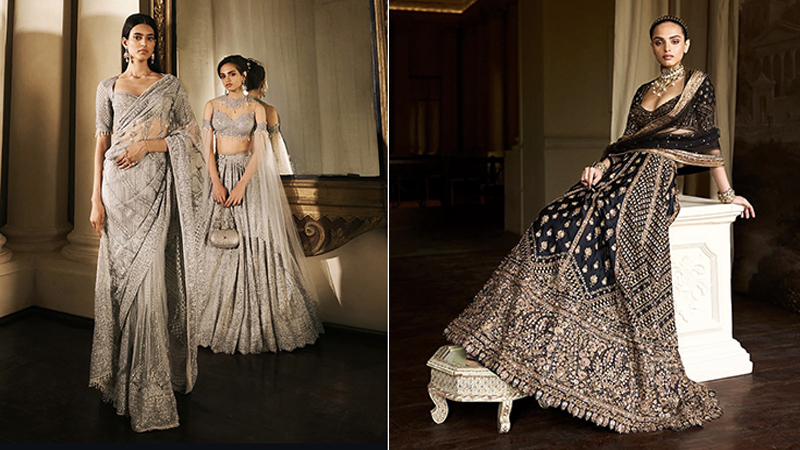
This ICW he travelled to Bhuj, Lucknow and Banaras, discovered interesting crafts, he hopes to work again with some he has forgotten in his 30-year journey. “I now hope to use it in my pret line OTT. Fashion in India lacks depth, charity begins at home, it is how we treat our employees, most of my craftsmen are brilliant,” says Tarun.
He recently watched Origin, a biographical work by Ava DuVernay, starring Aunjanue Ellis-Taylor, Black author and journalist Isabel Wilkerson, who investigates the oppression of the American caste system, Nazi Germany, and India’s Dalit community. “It made my stomach turn seeing the systemic lack of any moral compass,” he says, adding Wilkerson was the first African-American woman to win the Pulitzer Prize for journalism.
On his bedside lie two books- The Second Mountain: The Quest for a Moral Life, by David Brooks, though his favourite is Social Animal which reveals how human happiness is driven by unconscious mind—emotions, social bonds—rather than intellect. “These days I am only reading The New York Times,” he adds.
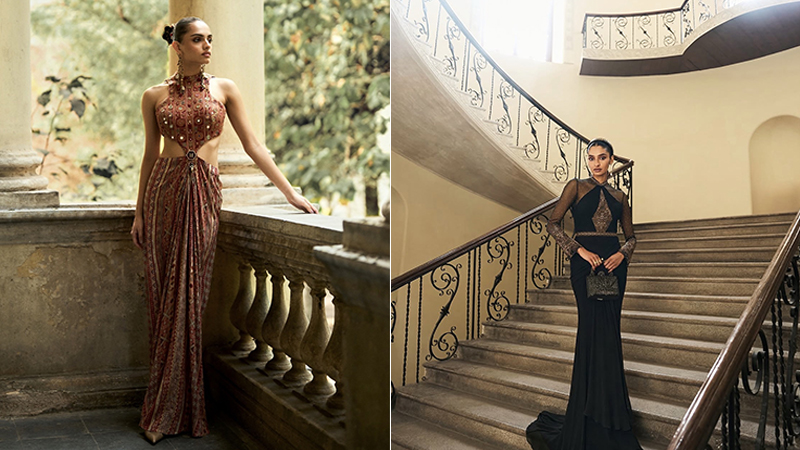
This ICW 2026 to be held next Sunday at Bikaner House, Tarun has changed the format, with 12 models and 55 mannequins, for guests to see and savour. “On the catwalk, you can’t see detailing in fleeting seconds, an exhibit allows my technique driven couture and fine craftsmanship to be carefully observed,” he adds. Only if there is curiosity will there be development, that’s why TT would like to showcase OTT his pret line, complete with dhotis worn with tee shirts internationally. “Our lehenga-cholis, what we call couture, is relevant only to India” he explains.
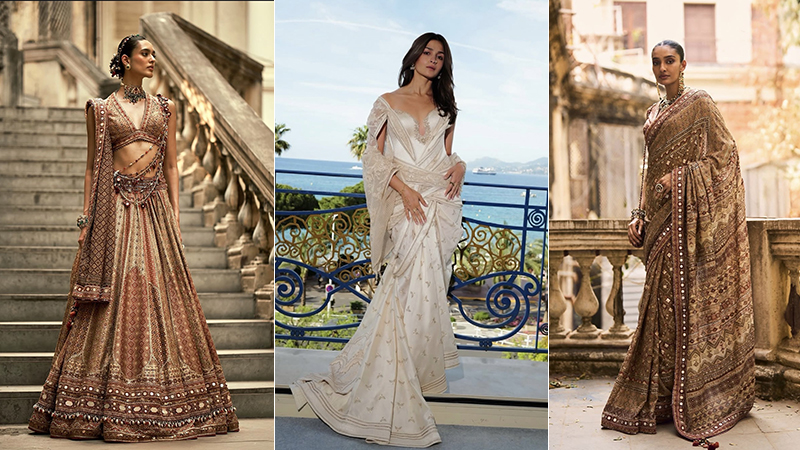
He has an everlasting love for Kashida, fine needle work from Kashmir, which he calls “softer embroidery”, unlike heavier ones where a bride has to drag the ten kg lehenga onto the dance floor. The creator of the “concept sari”, TT goes back in time to explain how the idea came about. Down South women wear petticoats with a blouse and dupatta, he thought why not put pleats on it, add a zipper for Gen Z, who are only wearing it for occasions, some are abandoning it completely. Sari vanished from modern wardrobes as no one wanted the hassle of pleating and pallu management. “My mom was so quick she could do the pleats on the elevator, sleep in it and wake up, minus any creases,” he laughs.
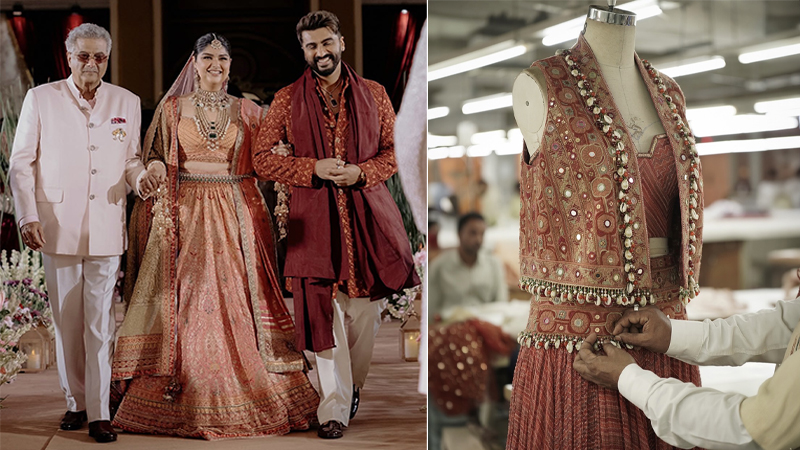
Dolly Jain takes Rs 2 lakhs to drape a sari, with 30 pins to fasten it, on the other hand, TT feels structural draping adds ease to the five-and-a-half metres, so the bride can travel fuss-free round the world in it. “Frankly innovation is evolution, but most people have no value for tradition in India, the past has ceased to exist for them,” he smiles, adding Anshula Kapoor, unlike many brides, wanted to reuse her mom’s bridal sari, “It was a blessing for her.”
Tarun admires Padma Shri awardee Rahul Jain, textile revivalist, who runs traditional draw looms in Varanasi for 20 years. “India has not given credit to traditional craftsmanship, underpaid its craftspeople. I read Rahul’s books on Kimkhab to Mughal brocade, he really works with the purest of pure textiles. Rapture: The Art of Indian Textiles, by Jain exposed me to their magic. Rahul Mehrotra and Anuradha Naik did architectural restoration, Rahul Jain oversaw textiles for Princess Isra at Chow Malla Palace, Charminar, year 2000. He has recreated old techniques of weaving which are frankly museum pieces,” he explains.
This ICW he has Bandhini from Bhuj mixed with marori and Chikankari, add 8 shades of colours in it, it was an exhaustive process, though he was delighted to see artisans with better homes and facilities during his travels. “Coastal village of Suthari, Abdasa Taluka of Kutch, was a learning for me, the craft I saw there was spell bounding. Martand Singh gave me a book many years ago ‘Vishwakarma’ I still refer to it,” he admits.
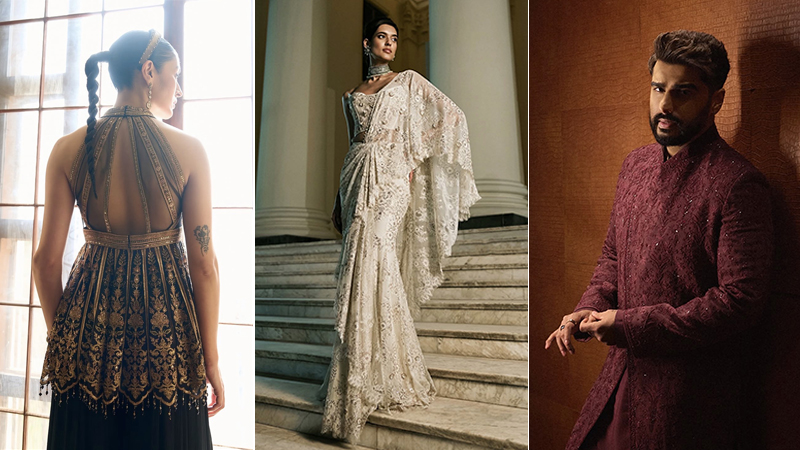
Martand had Vishwakarma exhibitions, textile art and history showcases from 1982-92, he promoted Weavers Service Centres all over India, started the Vishwakarma Awards, craft as art. “My OTT line will have Ajrakh and Sozni, and will be the creeper that overruns everything else,” he concludes. – Asmita is the Lifestyle Editor of NRI Focus. She is an award winning journalist who has been writing on fashion for the last 32 years
Leave a Reply