





As thick smoke billows over the Middle Eastern landscape, indicating unrest beyond the borders, people hurry for cover, remain in silence and hope for peace. Warring nations, wherever they be, cause panic globally, instilling fear and anticipation of an undesired end. While trying to navigate the new reality of having to be on guard against flying missiles and sudden nuclear blasts nearby, people experience an emotional surge that puts them on a ‘fight or flight’ mode.
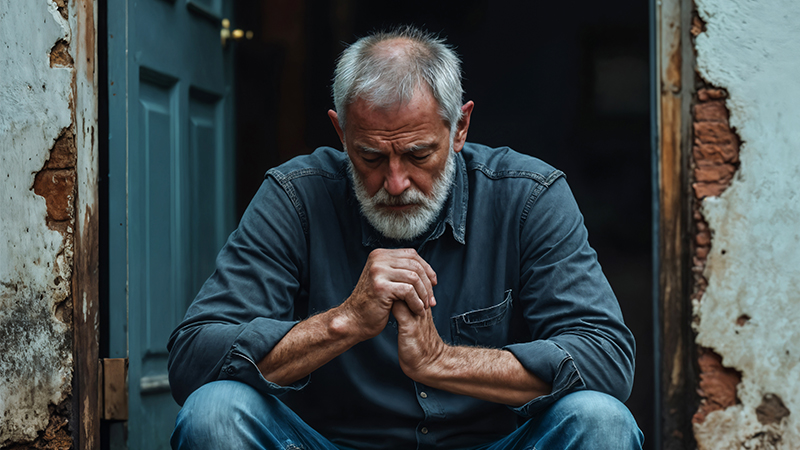
The current situation in the Middle East has forced people there to stay on and watch the outcome of war, while making do with the available resources. Children, youth and adults helplessly remain in a state of chronic stress due to the frequency of explosions and the sound of sirens. The continued uncertainty of how the next minute would be develops in them a sense of hyper vigilance, leading to increased levels of anxiety and apprehension. The elderly, mostly, fall into flight mode. They withdraw and, sometimes, just shut down.
A recent research notes that there has been an increase in somatic symptoms such as migraines, cardiac problems, and immunity-related difficulties by nearly 20%. These manifestations are commonly triggered by the extreme spike in cortisol levels in the body due to the exposure to highly stressful conditions.
This is why, for seniors and the elderly, silence is an enemy. The quiet between each explosion or strike seems to appear deadlier than the actual noise outside their residences. They spiral as they become vulnerable to their thoughts, as some wish to make it to another day while others pray for it to be over. They feel helpless knowing they cannot swiftly act in a demanding situation, leave alone predicting defense strategies, or the political moves of the countries involved, as they hear news from various sources loaded with devastating facts.
Depression creeps in, and a slow, steep decline in health and well-being begins to occur. Their cry for help is silenced by the volume of their thoughts, and they consciously lose their ability to hold on to hope. Darkness engulfs their surroundings, while their minds keep replaying the trauma of their history.
Seniors who live independently tend to hesitate to ask for help or assistance regarding medication, safety, or even general support. Isolation makes these seniors prone to chronic paranoia due to the medley of rumors and facts they are forced to listen to.
In the eastern cultures, families assert the bond between the grandparent and the grandchild. With violent situations causing a divide, there is a lack of family visits during this time, leading to complete social isolation and sadness.
In order to minimise spiralling into helplessness, seniors can be provided with regimented routines to follow consisting of basic – and necessary – daily activities. Watching the news of one trusted channel or broadcaster can filter out rumors and ‘fake’ information. For seniors who live away from family, a phone call a day can be of great help in bridging the emotional distance they may experience.
Keeping a list of hotline numbers nearby can come in handy for any type of emergency or situation requiring additional help from professionals. When staying at a shelter, seniors can be provided with their ‘comfort items’ such as their favourite blanket, physical copies of books, and sufficient supply of food and water. Even a photograph or a collection of pictures in hand would take them back to their ‘good old days’, assuring them of similar years ahead!
It’s all about a fragile mind inside a frail body. In the midst of a world crashing down, the elderly must be guarded in a customised oasis where they get to see, hear and experience less of chaos; where their silence is not taken for granted nor their cry goes unheard. – Image credit: freepik – editor@nrifocus.com
– The writer is a counselling psychologist, specialising in mindfulness therapy and researching the quirks of life.
Leave a Reply